Messy Play Ideas
September 2026
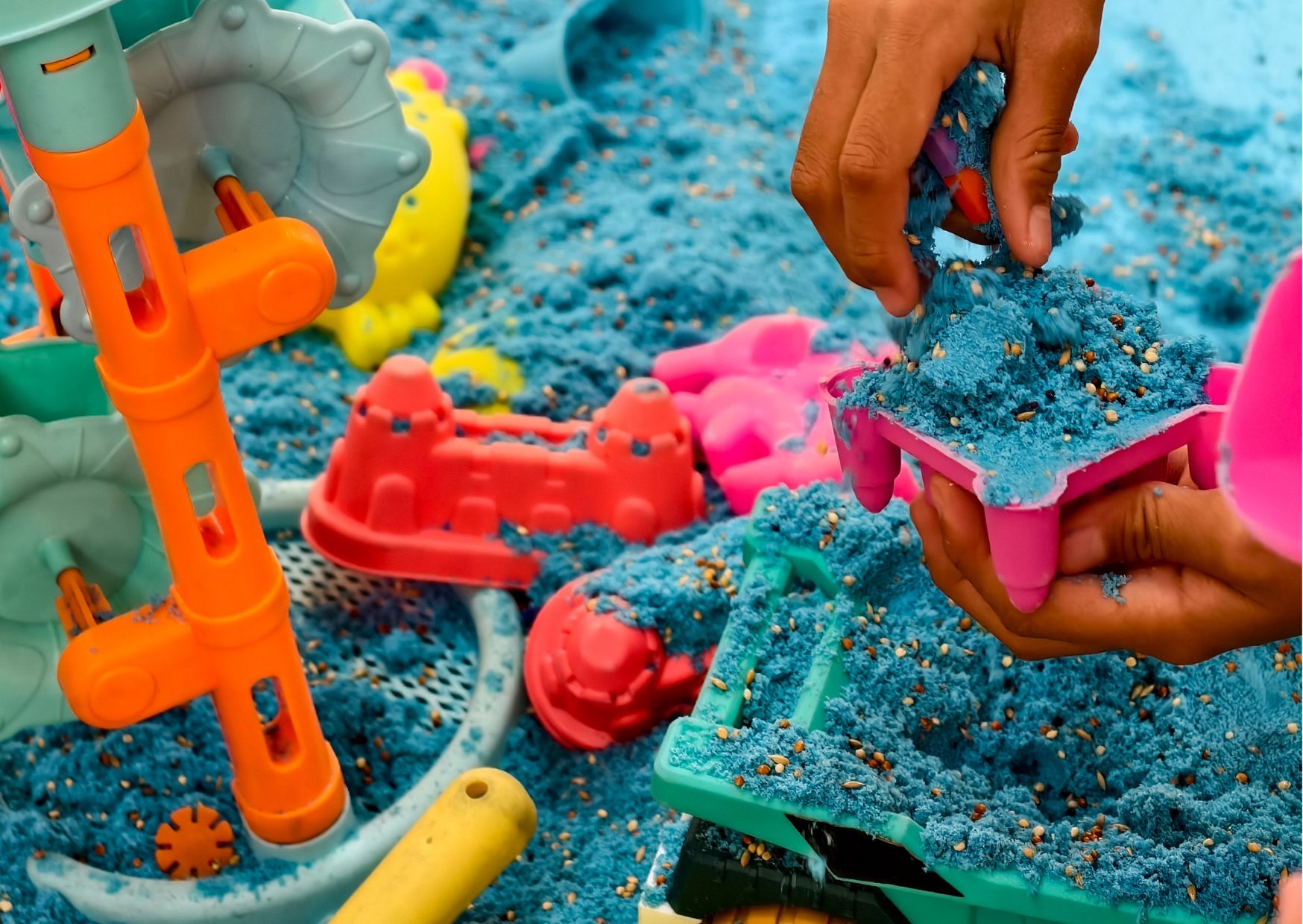
including gross and fine motor development, creativity and imagination, problem solving and perseverance, social and emotional development, language and communication skills, and sensory exploration and mindfulness.
Messy play also provides opportunities to explore mathematical and scientific concepts all while having a lot of fun.
The open-ended nature of messy play allows tamariki to be in flow and fully immerse themselves in the experience. Have fun with these recipes and experiences.
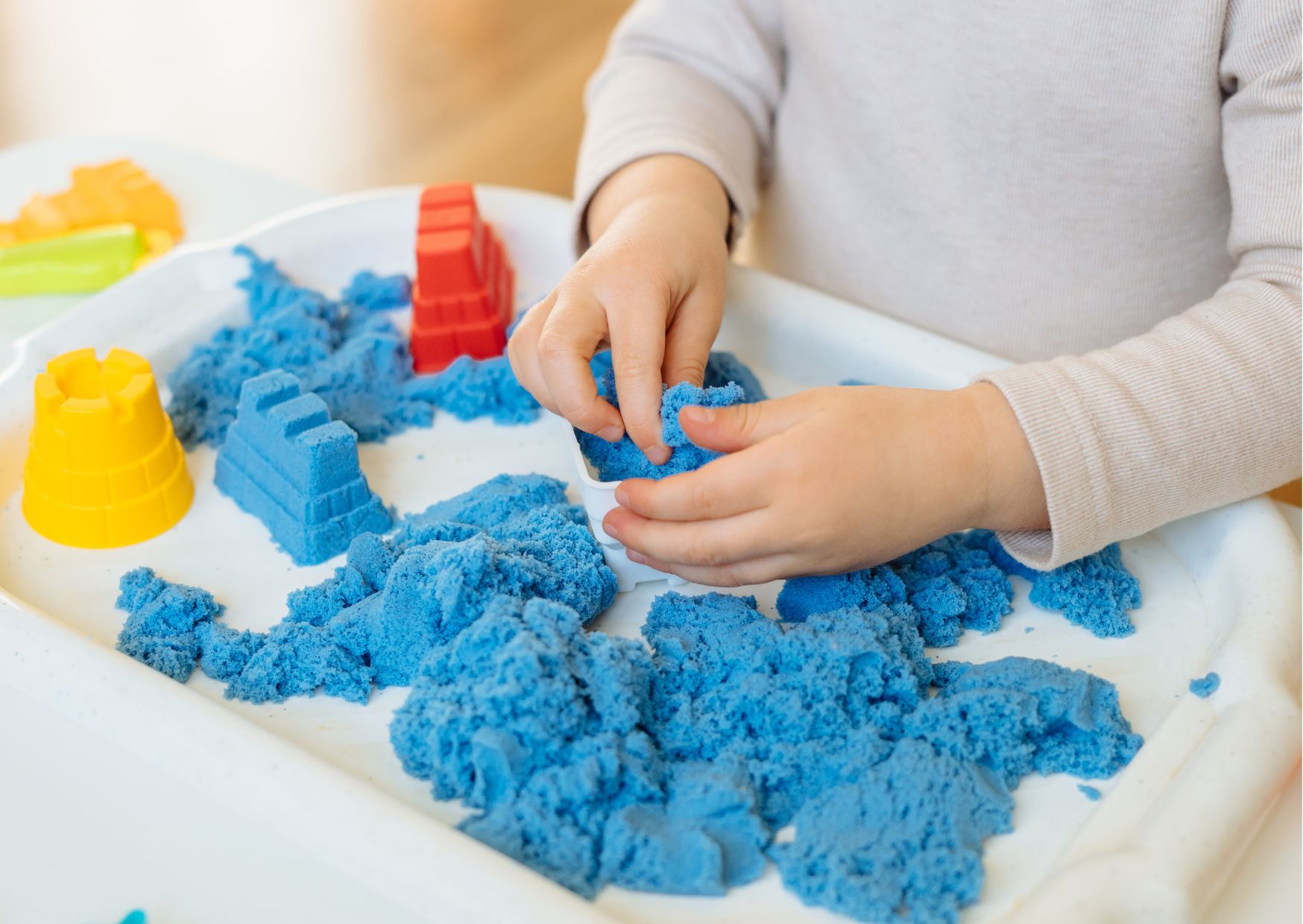
Ingredients (4:2:1 ratio)
2 cups of sand
1 cup of cornflour
1/2 cup of vegetable oil
Method:
Mix the sand and cornflour together until completely incorporated, then pour in the oil. Add food colouring or paint powder if you would like. Mix thoroughly until the oil is fully mixed with no dry spots.
Side quest: Hide treasures in the sand and invite tamariki to find them with tweezers/tongs.
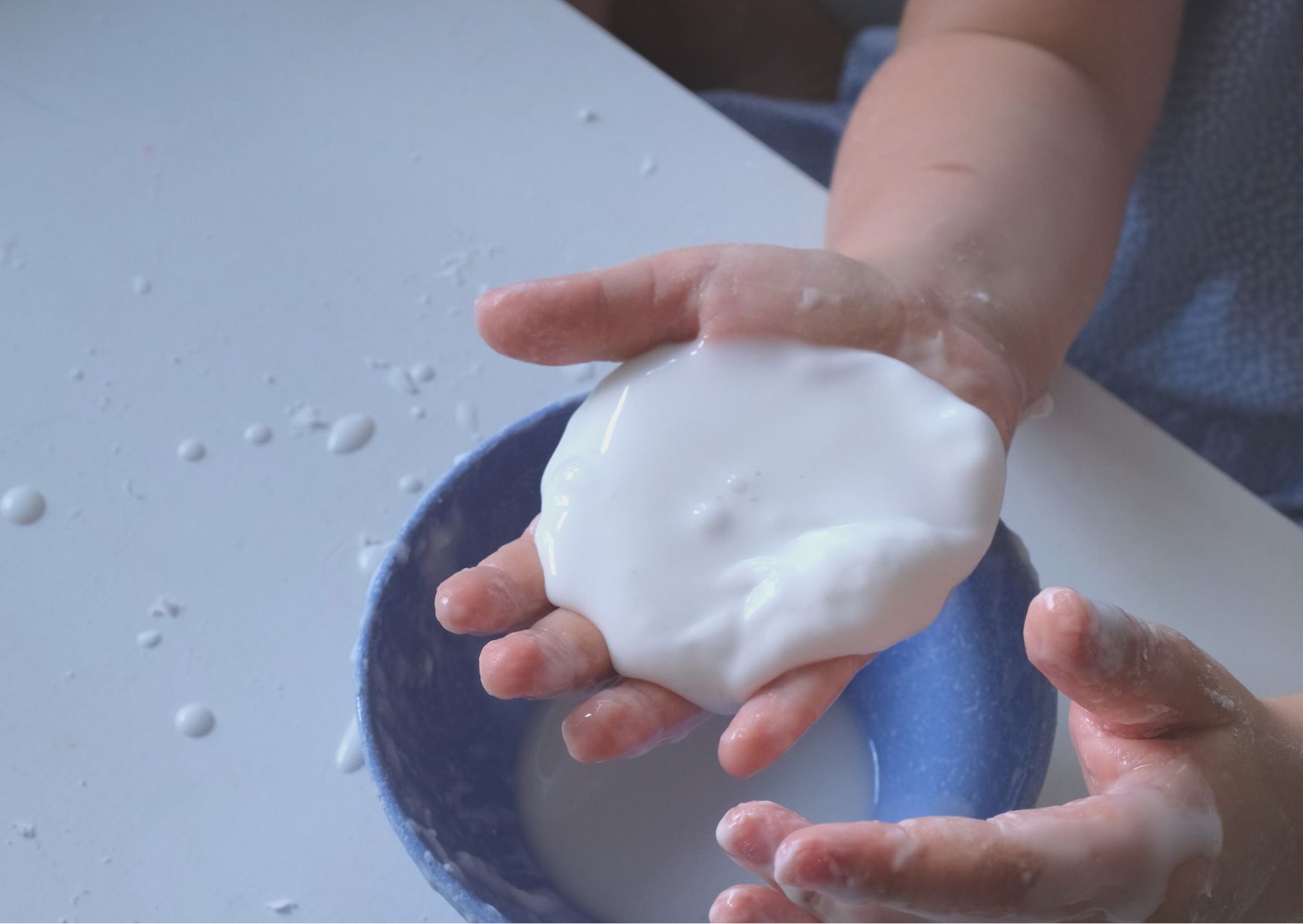
2 cups of cornflour
1 cup of cold water
Food Colouring
A large container or bowl
Method:
Place the cornflour into a large container and place a few drops of colouring into the centre.
Mix the water into the cornflour and colouring.
Side quest: Draw on it with felts or sharpies and explore how the pictures move.
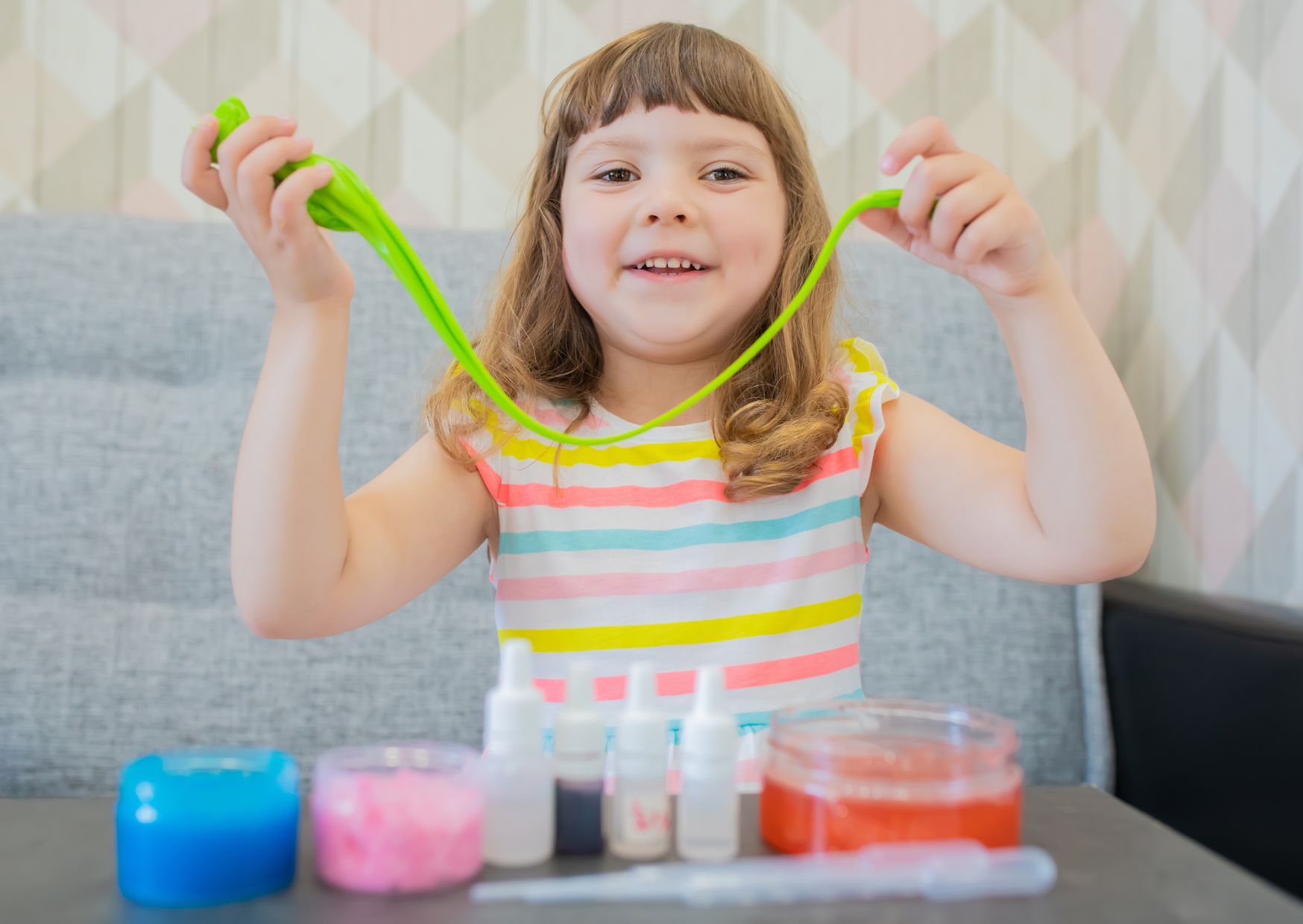
Containers for the slime
Recycled Plastic lids
Left over Oobleck in different colours
Method:
Place each colour of slime in separate containers.
Break off chunks of slime and place in the plastic lids. If your slime is gooey drip and drop it over the lids.
Place enough chunks that the lids look full. There may be gaps, the slime will naturally flow and fill in all gaps as it settles.
Allow to dry for 36-48 hours.
Once the slime is getting dry, gently peel it off the lid and stick on a window.
If your slime isn’t dry enough it will begin to drip on the glass, in that case remove it from the window, let dry for about 30 minutes wet side up, and try again. You want your suncatchers to be slightly moist so they will adhere to a window.
(store in an airtight container & dilute with a lot of water before pouring it down the sink)
1 cup of tonic water
2 cups of cornflour
UV light (often found on “spy pens” at Kmart)
Method:
Mix well.
Pour mix into your hands and begin playing with it in the dark with the UV light on. What happens when you squeeze it?
Bowl (microwave save)
Tap water
Microwave
Tablespoon
Psyllium husk
Warning: although this recipe contains food-safe ingredients, we don’t recommend eating it (a little taste is ok) Please ensure slime is completely cooled before handling.
Method:
Put 3 tablespoons of psyllium husk into a microwaveable bowl.
Add 400ml water.
Stir all your ingredients together.
Microwave up to 5 minutes (keep checking after each minute to stir, once the slime is a consistency you would like you can take it out).
Slime will be hot once taken out of the microwave so leave to cool.
If you do not have a way to heat up your slime, you can use warm water and continually stir instead.
Side quest: Add ice cubes to the slime to change the texture from gooey to cold and crunchy as the ice melts.
1/4 cup baby oil for every 2 cups of flour.
You want to mix it well to break up any balls of baby oil that form.
8 cups All-purpose flour
1 cup Baby oil
Mixing bowl
Wooden spoon
Method:
Use a wooden spoon to stir the flour and baby oil together until combined. It will take about 5 minutes. It’s done when the texture is consistent and the flour is mouldable with a spoon. Use your hands to knead it near the end to make sure the flour at the bottom is mixed in.
Remember that moon sand is an oil-based activity that could stain clothes.
Side quest: make a coconut oil version. Combine 1/3 a cup coconut oil (heated in microwave until liquid) for every 2 cups of flour (also heated).
(1 small quantity for a child to play with)
8 tbsp flour or cornflour
1 tbsp vegetable or sunflower oil
A few drops food colouring (optional)
Method:
Put the flour in a bowl, then slowly stir in the oil and food colouring.
Rub the oil and colouring through the flour with your fingertips, as if you were making pastry, until the mixture feels sandy and no oil is visible. If the mixture seems too dry, add a few more drops of oil, or if the mixture is too soft, add some more flour. The consistency should be a dry, shapeable clay that crumbles easily when squeezed.
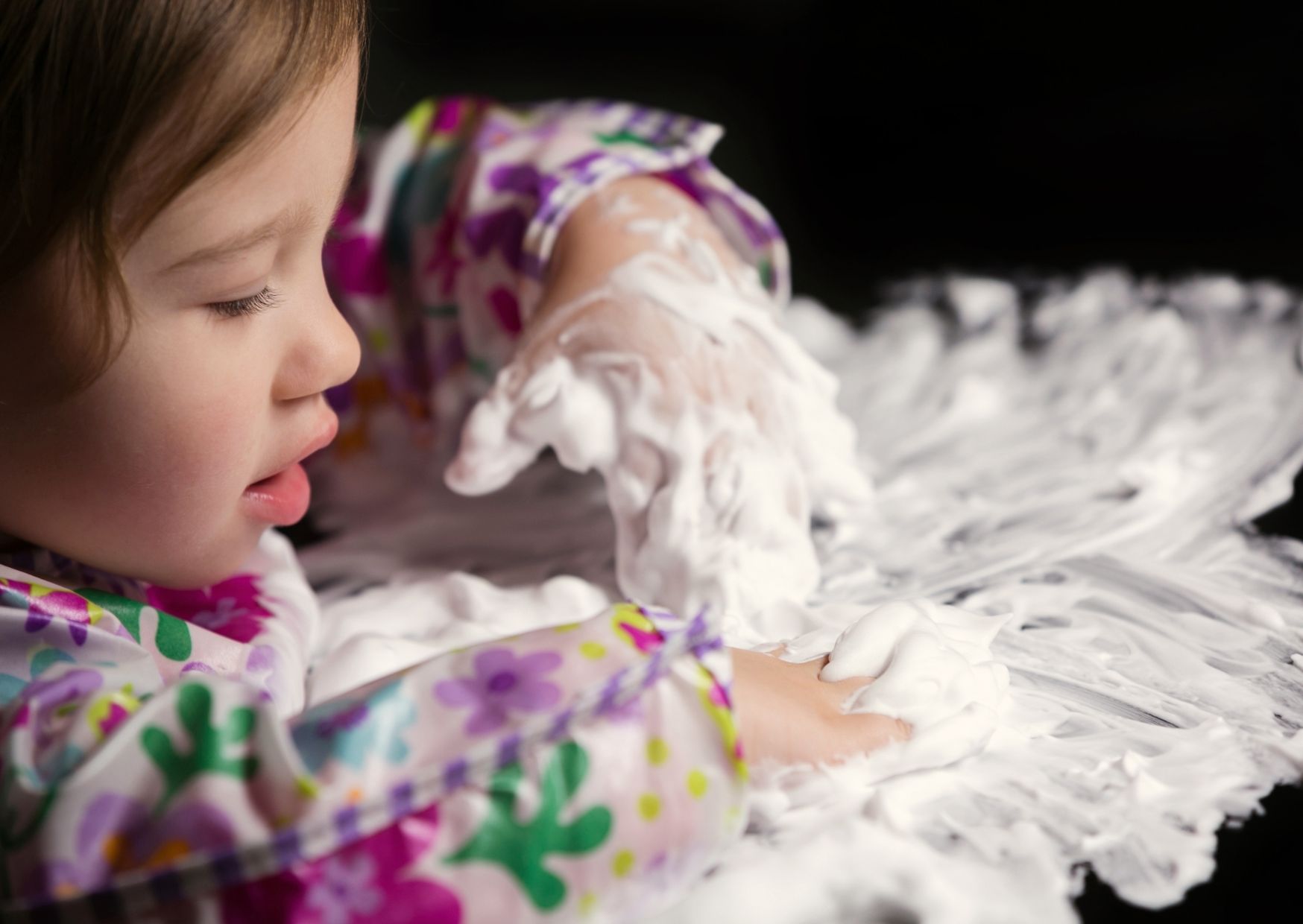
2 Parts Cornflour
1 Part Conditioner (a budget brand)
Method:
Mix together well.
Some conditioners are runnier, try adding a tablespoon of cornflour at a time until it becomes dough consistency.
Side quest: add baking soda to the cornflour mixture. Invite children to use eye-droppers to add vinegar to the mixture and explore what happens.
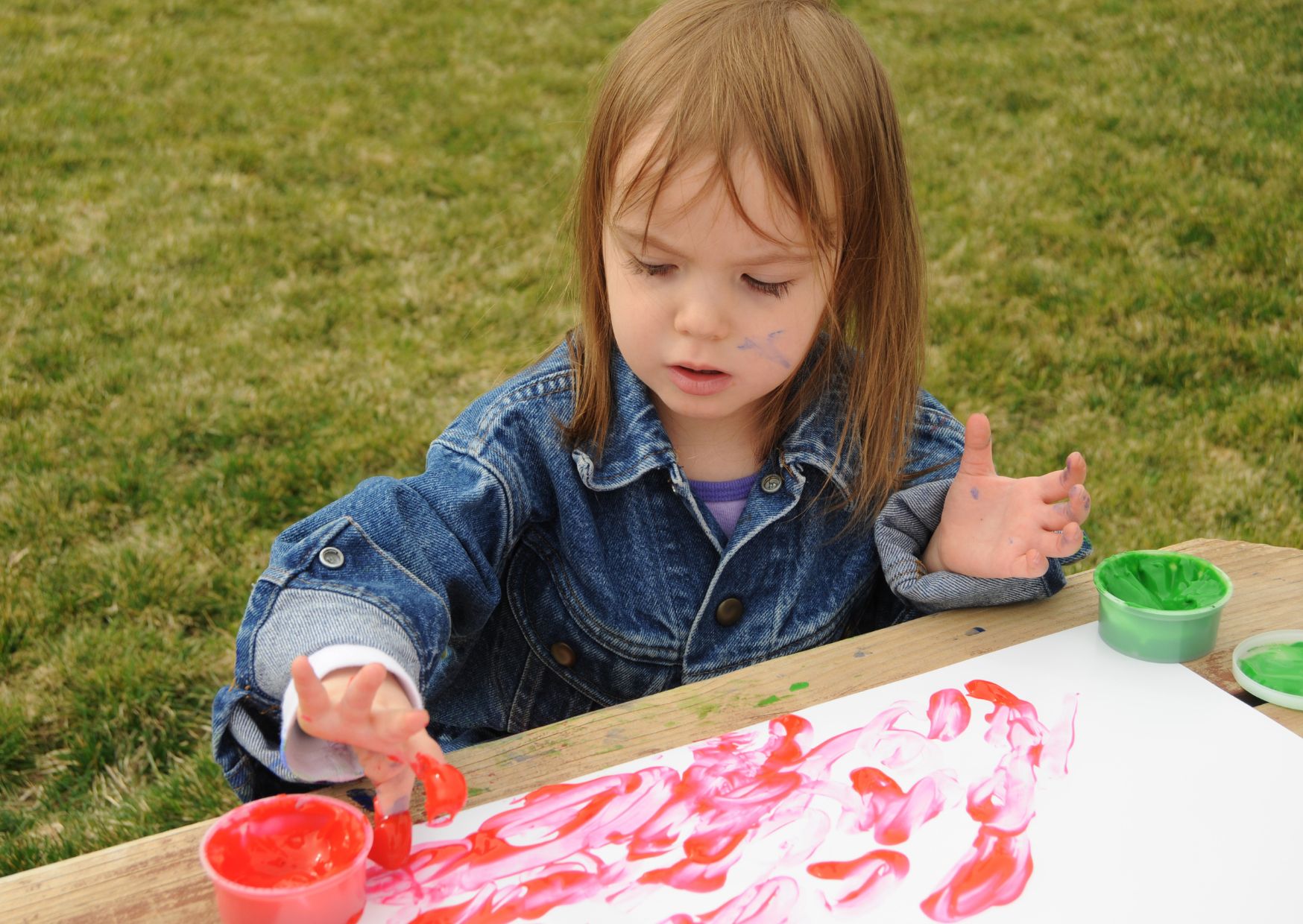
2 cups of cornflour
1 cup of cold water
4.5 cups of boiling water
Liquid food colouring
Method:
Mix the cornflour with the cold water and stir together. Pour in the boiling water and stir between each cup. It goes strange but keep stirring and it “melts” into a wonderful, custard-like consistency. Separate it into individual jam jars before adding colouring or make it all one colour.
Side quest: collect twigs and branches from the garden to use as paintbrushes to paint the concrete.
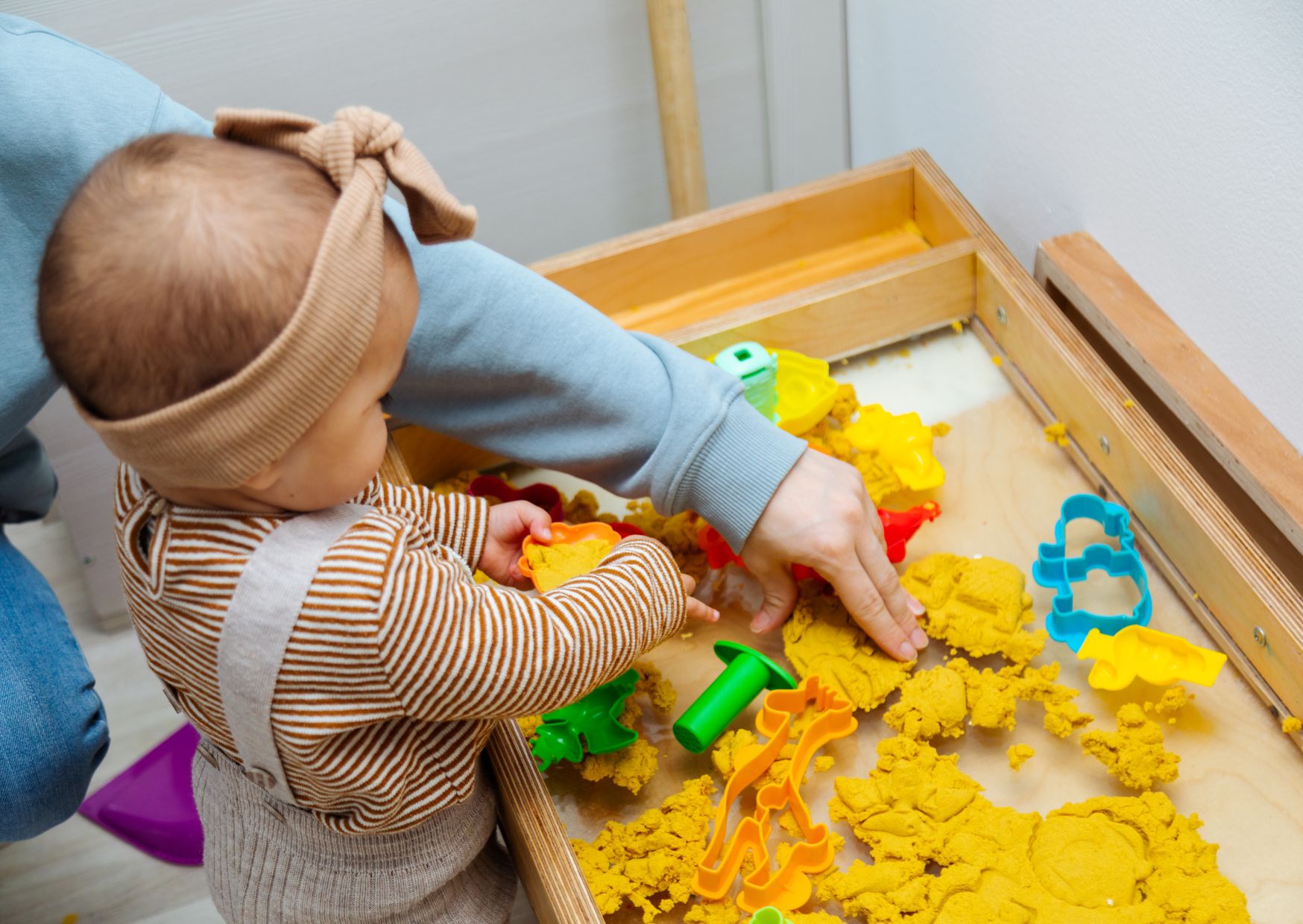
Did you know playdough was originally invented as a wallpaper cleaner. In the 1930s, Kay Zufall needed a safe and effective way to clean coal residue off her classroom walls. She mixed flour, salt, water, and food colouring to create a cleaning putty that could be used repeatedly.
2 cups flour
1/2 cup salt
2 tablespoons cooking oil
2 tablespoons cream of tartar or baking soda
2 cups boiling water
1 teaspoon food colouring and or essence
Method:
Mix all the dry ingredients together.
Add the oil, boiling water, food colouring and essence and mix well.
The mixture may seem quite wet to start with, but it will soon begin to dry out.
Once the mixture has cooled but is still warm, lightly flour the work surface and knead the playdough until it is soft and free of lumps.
Side quest: add scents (peppermint essential oil, lemon essential oil), lavender, herbs, flowers, leaves, twigs, biodegradable glitter, cinnamon, rocks, water, paint, and/or scissors.
Various shaped ice cubes (use a variety of freezable containers), add eye droppers and coloured water, salt, and/or cornflour as it melts.
Sponges and trays of water
Water and flowers, leaves, herbs collected from the garden
Mix dish soap, water, and food colouring, then use a hand mixer to create colourful bubble foam. Spread the foam out on a tray.
Mix 1 cup of Lux flakes with 3 cups hot water; mix continuously with a whisk/wooden spoon/hand mixer until it is thick and fluffy. Allow to cool down before playing with it. Add colouring to the mixture if you want.